Mild Manners: Six Winter Pubs Where the Dark Pint Still Rules
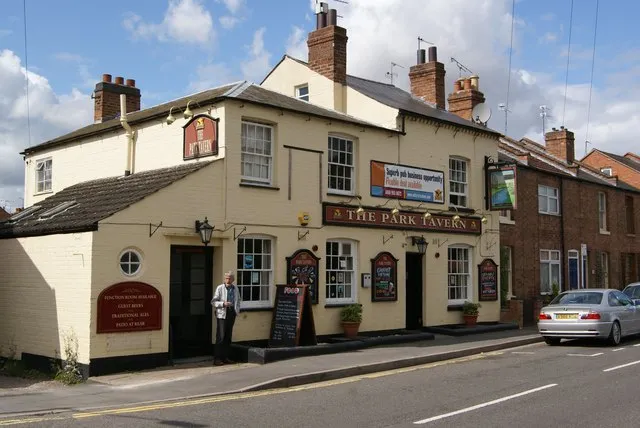
Photo: Mike Faherty, CC BY-SA 2.0, via Wikimedia Commons
Dark mild has spent decades being talked about in the past tense. It is the pint people describe as a survivor, a relic, a niche interest for beard-stroking ale historians. That does the beer a disservice. In 2026, with winter lists leaning heavily on stout and porter, mild is not asking for charity. It is asking for a clean glass, a sensible cellar temperature and a bit of attention.
The pint that doesn’t shout
Mild is not a weak stout, and it is not a beginner’s dark beer. It is its own thing: a low-ABV, malt-led pint that can be dry, nutty, gently roasty and deeply drinkable. The best examples are not sweet. They finish clean, sometimes with a whisper of chocolate or coffee, sometimes with a flavour closer to crusty bread and hazelnut. The colour comes from roasted malt, but the point is balance, not intensity.
That makes mild a very pub-shaped beer. You can have two pints over a long lunch and still make sense of the afternoon. You can pair it with a pie without the food disappearing under a wall of hops. You can drink it in a busy bar or a silent corner. It is the quietest pint on the handpulls, and often the most useful.
How to read a mild
Start with the colour, but do not stop there. A dark ruby-brown pint is typical, though mild can be lighter than people expect. Look for a loose, creamy head rather than a thick blanket of foam. On the nose, you want malt first: cocoa, toasted nuts, a little dried fruit, maybe a soft earthy note from the yeast. If it smells sharply roasted or heavily sweet, it may be out of condition or simply not to your taste.
The first sip should tell you about the body. Mild is not thin by definition, but it should not be syrupy. A good 3.2% to 3.8% mild has a gentle weight, a dry finish and enough bitterness to keep you coming back. If it tastes flabby, flat or oddly metallic, send it back politely. That is not the style’s fault; it is a cellar issue.
Ask for a taster if you are unsure. Most good pubs will pour a mouthful without drama. And if the pump clip says ‘mild’ but the beer tastes like a porter that has lost its nerve, you are allowed to order something else. Mild rewards curiosity, not blind loyalty.
A food pint, not a novelty
Mild is one of the most food-friendly beers in the British repertoire. It has enough malt to stand up to a steak and ale pie, enough acidity to cut through a plate of cheese, and enough restraint not to overpower a ham sandwich. It is excellent with stews, sausages, mushroom dishes and the darker end of a Sunday roast. It also works with pudding – a mild and a sticky toffee pudding is a far better match than it sounds.
This is where the style’s low ABV becomes a virtue rather than a compromise. You can order a second half with pudding. You can stay for the cheeseboard. You can walk home. In a winter ale line-up crowded with 6% stouts and barrel-aged porters, mild is the pint that lets the table relax.
Six pubs keeping the dark pint honest
You do not need a formal trail to find good mild, but a short winter crawl helps. These six pubs are known for serving it with care, and each is worth the journey on its own terms.
The Beacon Hotel, Sedgley, West Midlands
Home of Sarah Hughes Brewery, this is one of the great mild pilgrimage sites. The Dark Ruby is the headline, and the pub itself – tiled, cosy and pleasingly old-fashioned – is exactly the sort of place where a dark pint makes sense. Go for the beer, stay for the fire.
The Vine, Brierley Hill, West Midlands
Better known as the Bull and Bladder, this is the Bathams brewery tap. Bathams Mild is a Black Country classic: gentle, malty and dangerously easy. The pub is plain in the best way, and the mild is part of the furniture. Order a pint and a cob, and you have understood the assignment.
The Olde Swan, Netherton, Dudley
Ma Pardoe’s is a proper old-school brewpub, and its dark mild is part of the local landscape. The building is a warren of small rooms and the beer is brewed on site. It is not a theme-park version of a historic pub; it is the real thing, with the mild to match.
The Fat Cat, Sheffield
Sheffield has a strong claim on the serious ale pub, and the Fat Cat is one of its anchors. The house mild is a steady, malt-forward pint that rewards a session rather than a snapshot. It is the sort of pub where the mild sits comfortably alongside the bitter and the stout, not as a curiosity but as a staple.
The Marble Arch, Manchester
Marble’s brewery tap is a dramatic, tiled Victorian pub with a serious approach to beer. Its mild is clean, dry and moreish, and the pub’s food is generous enough to make a proper meal of it. This is mild as a city pint, not a rural relic.
The Grove, Huddersfield
A back-street alehouse with a reputation for keeping its beer well, the Grove is the kind of pub where a dark mild feels like the natural order of things. It is small, friendly and unpretentious, with a rotating range that rewards a second visit. Check the board, ask what is drinking well, and take the mild.
The quiet case for a quiet pint
Mild does not need a revival campaign. It needs pubs to keep brewing it well, cellarmen to serve it properly, and drinkers to order it without treating it as a history lesson. In 2026, with winter menus leaning hard into big, dark, expensive beers, there is something refreshing about a pint that asks so little and gives so much.
So next time you see a mild on the handpull, do not walk past it on the way to the stout. Ask for a half first. Then ask yourself whether the afternoon would be better with a second. At The White Horses, we suspect it usually is.