The Butter Test: Reading a Pub Kitchen From the First Plate
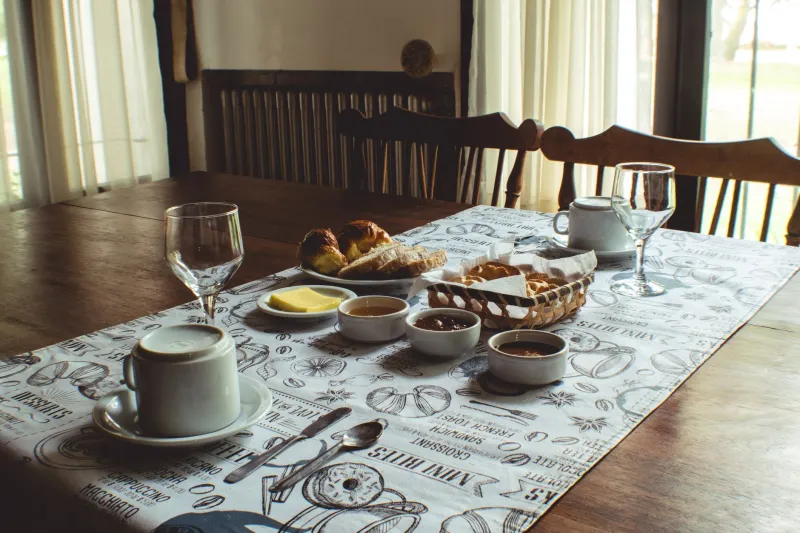
There is a moment, just after you have settled into the snug and just before the main event arrives, when a pub kitchen makes its first real statement. It comes on a plate, or in a basket, or sometimes on a small slate that someone has decided is rustic. Bread. Butter. Maybe a little dish of salt. It is the least dramatic thing on the menu and, more often than not, the most honest.
A pub can talk a good game about provenance on the chalkboard. It can name-drop its butcher, its fishmonger and the farm that grew the carrots. But the bread and butter arrive before any of that has been tested. They are the handshake. And like most handshakes, they tell you quite a lot before a word is spoken.
The first honest bite
Think about what the bread course actually asks of a kitchen. It requires foresight, because good bread does not appear from nowhere at 7pm on a Friday. It requires restraint, because the temptation to gild it with something unnecessary is always there. And it requires a certain confidence, because plain bread and butter cannot hide behind a sauce.
That is why the first plate matters. A kitchen that treats it as an afterthought is usually a kitchen that treats other small things as afterthoughts too. A kitchen that treats it properly is saying something quieter but more useful: we have noticed the details. We would like you to notice them as well.
Butter is a temperature story
The single most telling thing about a pub’s bread course is not the bread. It is the butter. Specifically, whether it has been allowed to sit out long enough to be spreadable.
A fridge-cold pat is a small tragedy. It tears the crumb, sits stubbornly on the surface and turns the whole exercise into a mild wrestling match. More importantly, it suggests that nobody in the kitchen has paused to think about the person eating it. That is not a crime. Pubs are busy places, and the butter fridge is a real thing. But it is a signal, and regular pub-goers learn to read it.
Room-temperature butter, on the other hand, is a quiet act of hospitality. It says the kitchen understands that butter is not a garnish but an ingredient. It says someone has considered the order of service. And if the butter is cultured, or lightly salted, or churned by a small dairy with a name you half-recognise from the deli counter, so much the better. The best versions taste of something beyond fat and salt. They taste of someone making a choice.
Salt, and the confidence to leave it alone
Then there is the salt. A small dish of flaky sea salt alongside the butter is a very modern pub gesture, and a welcome one. It lets the eater adjust, which is not a sign of weakness in the kitchen but a sign of generosity. Maldon is the obvious reference point, but there are good British salts from further afield too, and the point is not the brand. The point is the texture and the invitation.
Flavoured butters are a trickier business. A gentle herb butter can be lovely with soda bread. A whipped honey butter can work with a dark sourdough. But when the butter arrives aggressively flavoured, it can feel like the kitchen does not trust its own bread. The same goes for bread that arrives already oiled, already seasoned, already dressed for a party it was not invited to. Sometimes the most confident thing a pub can do is put down good bread, good butter and good salt, then step back.
Bread as a menu in miniature
The bread itself is a clue to the rest of the menu. A pub serving a tight, seasonal board often sends out a sturdy sourdough with a dark crust and a chewy crumb. It is the kind of bread that can stand up to a plate of cured meat or a bowl of soup. A pub leaning into a more traditional register might send out soda bread, warm and crumbly, or a soft white loaf that tastes of childhood and slightly too much butter. Neither is better. They are simply different accents.
What matters is whether the bread feels like it belongs to the meal. If the menu is built around local produce and careful cooking, a supermarket baguette cut into rounds is a discordant note. If the pub is a proper back-street boozer with a short menu and a landlord who knows everyone’s name, a simple white loaf and a dish of salted butter can be exactly right. Context is everything. The bread course is not a test of ambition. It is a test of fit.
A short field guide to the first plate
- The fridge-cold pat: A warning sign, though not a dealbreaker. Expect a kitchen that is busy, functional and possibly a little careless with the small stuff.
- The room-temperature curl: A good sign. Someone has thought about texture, timing and the comfort of the person holding the knife.
- The cultured butter: Often a sign of a kitchen that enjoys the quiet flex. It may also mean the rest of the menu is priced accordingly.
- The flavoured butter: Enjoyable when subtle, suspect when it tastes like a candle shop. Ask yourself whether the bread needed the help.
- The soda bread: A warm, hospitable choice. Particularly good with soup, a pint of bitter and absolutely no rush.
- The sourdough: A reliable signal of a kitchen with one eye on the modern British larder. Best when the crust is dark and the butter is soft.
When the basket lets the side down
Red flags are easy to spot once you know what you are looking for. Bread that is cold all the way through. Butter that arrives in a little foil packet. A basket that contains three different breads and no coherent reason for any of them. A dish of salt that is damp, or clumped, or clearly been sitting out since lunch. These are small things, but they add up to a picture.
None of this is about punishing pubs. A busy Sunday service is not the moment to judge a kitchen by its butter. But over a few visits, a pattern emerges. The pubs that get the first plate right tend to get the second and third right too. Not always, but often enough to make it worth noticing.
The quiet verdict
So next time the bread arrives, pause for a second. Feel the butter. Look at the salt. Tear the bread rather than cutting it, and see how it behaves. You are not being precious. You are reading the room. A pub that sends out warm bread, soft butter and a little dish of flaky salt is telling you something. It is saying that the meal has already started, and that you are in good hands.