The Honest Chalkboard: Five Pubs That Name Their Suppliers Every Week
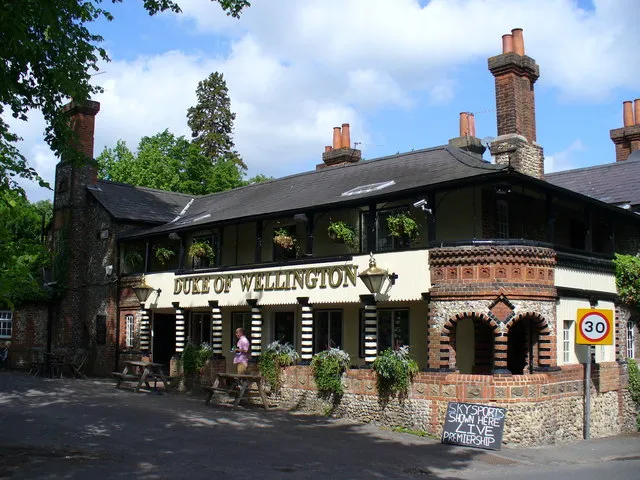
Photo: Colin Smith, CC BY-SA 2.0, via Wikimedia Commons
A producer's board is a simple thing: a chalkboard, a clipboard or a printed sheet that names the farms, bakers, cheesemakers and fishermen behind the week's menu. It is also a small act of honesty. In a country where 'local' can mean a label on a lorry, a board that names names is worth more than a dozen menu adjectives.
The best examples I have found in 2026 are not grand. They are in pubs that shop on Saturday and serve on Sunday, where the specials board changes because the market changed. Here are five that do it well, and what to look for if you want to find your own.
1. The Salt House, Wells-next-the-Sea, Norfolk
The board by the door is dated each Friday and lists the fisherman who landed the mussels, the walled garden that supplied the greens and the bakery that made the sourdough. Sunday lunch might be pork from a farm ten miles inland, with roots from the same garden. The house bitter is from a Norfolk brewery and appears on the dining menu as a suggested match for the pork. It is not a gimmick. It is a pub that knows its supply chain is short enough to explain.
2. The Dyer's Arms, Frome, Somerset
This one runs a board that reads like a market list: a cheesemaker from the Mendips, a market garden near Nunney, a baker who sells out by ten. The menu follows the board rather than the other way round. On my visit, a celeriac soup and a cheese toastie at the bar made sense of the same ingredients that turned up in the dining room as a roast with picked beetroot. The best bitter is local, and the staff can tell you why it works with the cheese without reaching for a tasting-note cheat sheet.
3. The Black Bull, Sedbergh, Cumbria
The board here is handwritten and slightly smudged, which is a good sign. It names an upland farm for the fell-fed beef, a damson grower for the winter puddings and a bakery in the next valley for the bread. The pub keeps a dark ale on hand for the beef and a golden ale for the cheese board. What I like is the modesty of it: the board does not claim the pub invented the idea of local food. It just says who brought what, and when.
4. The Wheatsheaf, Long Compton, Warwickshire
A market garden, a bakery and a honey producer share top billing on a board that changes midweek. The Sunday lunch is the test, and it passes: the pork is named, the bread is named, the roots are named. The specials board then pairs a local golden ale with the pork and a mild with the cheese. It is the sort of pub where the board is not a marketing exercise but a working list. If the parsnips run out, the board changes. That is the point.
5. The Harbourmaster's, Aberaeron, Ceredigion
The board here leans on the sea: a fisherman, a cheesemaker and a grower who supplies the herbs and salad. The menu is short enough to change with the weather, and the ale list has a local amber that sits happily beside the fish. The pub prints the board rather than chalking it, but it still names names and dates the week. That matters more than the medium. A board that is updated is a board that is trusted.
How to spot a genuinely market-driven pub
Look for names, not categories. 'Local vegetables' is a claim. 'Parsnips from Hollow Lane Market Garden' is a fact. A good board will also carry a date, because a supplier list from three weeks ago is not a weekly board at all.
Ask a question. Who grew the cabbage? Who made the cheese? If the person behind the bar can answer without disappearing into the kitchen for five minutes, the board is probably real. If every dish has a different supplier and nobody knows any of them, be sceptical.
Check the ale list against the specials. A pub that names its farms but serves no local beer is only doing half the job. The best boards make the pairing obvious: a bitter with the stew, a porter with the pudding, a pale ale with the fish.
Finally, watch what happens when the market changes. A genuine market-driven pub will run out of something and say so. It will put on a different dish rather than pretend the board is a permanent menu. That is not a failure of choice. It is proof that the board is doing its job.
A producer's board cannot guarantee a good meal. But it can tell you a pub is paying attention — to the season, to the neighbourhood and to the people who grew, baked, brewed and landed what is on your plate. In 2026, that is worth a detour.