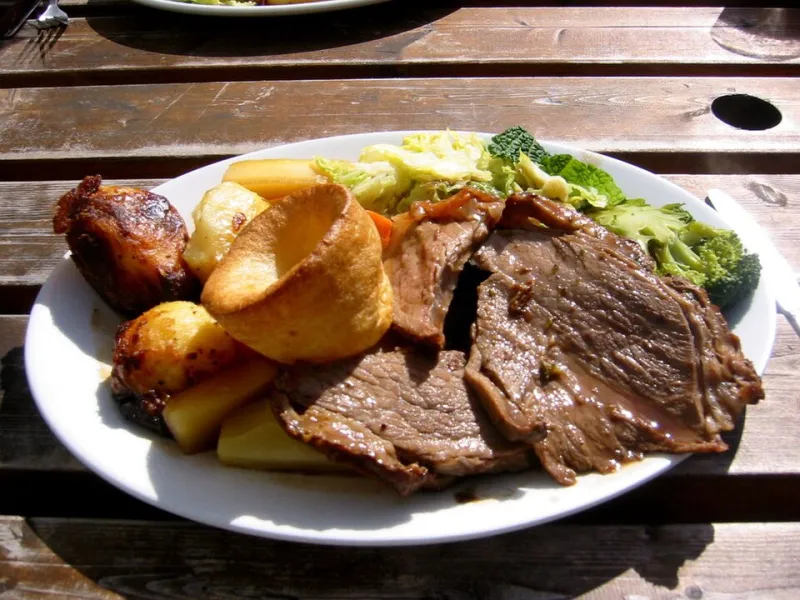
Close the Door on the Bar: The Case for Proper Pub Dining Rooms
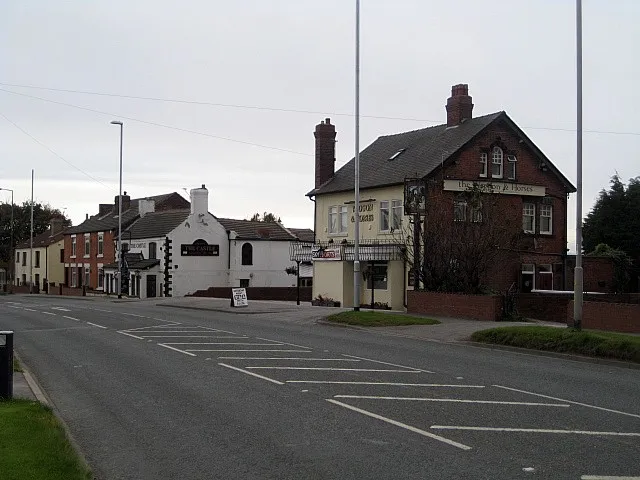
Photo: Mike Kirby, CC BY-SA 2.0, via Wikimedia Commons
There is a particular sound that tells you a pub has given up on dinner. It is the sound of a dozen conversations bouncing off a hard, flat ceiling while a server leans across a table to ask whether anyone wants more gravy. It is not the fault of the gravy. It is the fault of the room.
For years, the British pub was encouraged to knock through. Remove the wall, lose the corridor, turn the snug into a waiting area for the loos. Open plan sounded democratic. In practice it made too many pubs do two jobs badly: a bar for drinkers and a restaurant for diners, sharing a space that suited neither. In 2026, the best pubs I have eaten in are quietly reversing that. The dining room is back, behind a door, with its own service, its own lighting and its own pace. The bar has been put back in its box. It is the best thing to happen to pub food in years.
The trouble with one big room
A good seasonal menu needs calm. It needs a kitchen that can taste, adjust and send food at the right moment. What it does not need is a route through a scrum of people waiting for a pint, a table wedged beside the fruit machine and a server trying to carry three plates through a door that opens the wrong way. When every table is in the bar, the bar becomes a corridor. Drinkers feel they are in a restaurant. Diners feel they are in the way. Nobody gets the pub they came for.
A separate dining room is not about formality. It is about giving each part of the pub room to breathe. The bar can be loud, standing-room-only, full of dogs and darts and the last of the autumn ale. The dining room can be quieter, warmer and set for people who have booked to eat. The two rooms do not have to compete. They can do what pubs have always done best: offer different kinds of hospitality under one roof.
Three pubs that have opened the door again
At The Crown at Hinton, in Gloucestershire, landlady Ellen Mercer reopened a side dining room this autumn after years of using it for storage. The room seats 28, has a low ceiling and a single window, and feels less like a restaurant than a very good back parlour. 'We were cooking around the room instead of for it,' she says. 'The menu had to be safe because the space was unpredictable. Now we can put a proper winter dish on and know it will arrive as it should.' The current board runs to venison with celeriac, a suet pudding with ale gravy and a pear and walnut tart. The bitter on the bar comes from a brewery 14 miles away.
The Bell & Dragon in Ludlow, Shropshire, restored its first-floor dining room after using it as a store for a decade. Chef Jack Arden says the change let him shorten the bar menu and lengthen the dining room one. 'The bar does toasties, pie and chips and a good pudding,' he says. 'Upstairs we can do mutton with turnips, cobnuts and a damson vinegar. Same pub, different job.' The room has a view over the market square, which feels right for a menu built around Saturday's stalls. A local bitter is listed alongside the wine, not as an afterthought.
The Plough at Netherby, in North Yorkshire, took a different route. Landlord Chris Bell kept the bar exactly as it was and turned a former function room into a dining room with a wood-burning stove. The menu is short: game, root vegetables, suet, a crab rarebit for those who want something smaller. 'People drink in the bar and eat in the dining room, then some of them swap,' says Bell. 'The pint travels fine. It is the plate that needed a quieter room.' He keeps a porter on hand for the game, and a pale ale for the cheese.
What changes on the menu
The return of the dining room is not nostalgia for tablecloths. It is a practical fix for seasonal cooking. A dedicated room gives the kitchen a predictable number of covers and a service team that is not also changing barrels. That means fewer dishes, better sourcing and the confidence to cook with the weather rather than against it. It also means the bar menu can be honest about being a bar menu. A packet of crisps and a good Scotch egg are not a failure. They are a different pleasure.
It helps the ale, too. A dining room with a proper list can put local beer where it belongs: beside the food, with tasting notes and a sensible glass. A pint of bitter with a suet pudding is not a novelty. It is one of the great British pairings, and it deserves a table rather than a perch.
The door is the point
The best of these rooms do not feel like restaurants bolted onto pubs. They feel like the pub has remembered an old shape. The bar is still the heart. The dining room is the quiet neighbour behind the door. You can have a pint at the bar and go home. You can book a table and eat properly. You can do both in one evening.
That is not division. It is good manners. In 2026, with food costs high and expectations higher, the pubs that are getting it right are not trying to be everything to everyone in one noisy room. They are putting the bar back in its box, opening the door to the dining room, and letting each room do its job. The gravy tastes better for it.