The Fireside Feast: Why Pubs Own Christmas Dinner in 2026
There is a moment, somewhere between the second pint and the arrival of the pudding, when a pub Christmas dinner stops being a meal and becomes an occasion. The fire is doing its quiet work. Someone has finally stopped checking their phone. The table is a little too full, the chairs are a little too close, and nobody is in a hurry to move. That is not a small thing. In 2026, as restaurants compete on ever more elaborate festive concepts, the humble pub remains the most convincing place to eat Christmas dinner with people you actually like.
The restaurant trap
Set-price Christmas menus have their place. They are useful for large bookings, predictable for budgets and reassuring for anyone who has ever tried to split a bill across three courses and two bottles of wine. But too often they turn festive dining into a production line. You are seated at a time, ordered at a time, and gently moved along at a time. The room may be beautiful, but the pace belongs to the kitchen, not the table.
Pubs are built for a different rhythm. A good one will let lunch drift into late afternoon. It will bring the food when it is ready, not when the next slot demands it. It will let Uncle Peter order a pint of local bitter instead of a marked-up glass of house red. And it will usually do all of this without making the table feel like it has failed some unspoken test of sophistication.
What a proper pub Christmas menu should look like
The best festive pub menus are not simply restaurant menus with tinsel on. They tend to be shorter, more seasonal and more rooted in the kitchen's everyday strengths. Expect to see the things that make sense in December: braised beef or venison, roast root vegetables, pies with proper suet pastry, smoked fish, pickled things, dark leafy greens and a gravy that has had time to think about itself. Turkey can be there, but it should not be the only idea in the room.
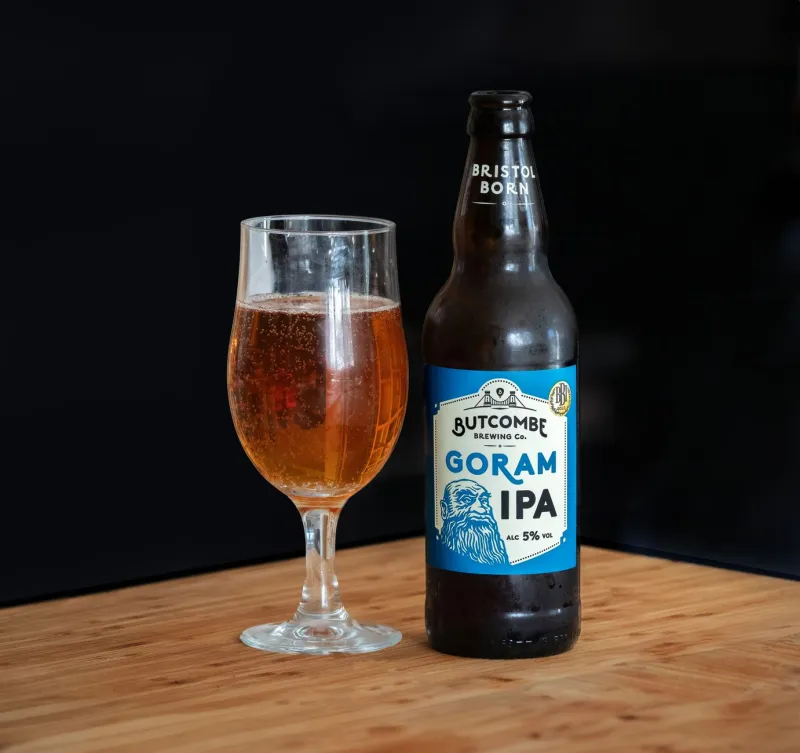
Look for local ale on the list, ideally matched to the menu rather than bolted on as an afterthought. A nutty brown ale with a slow-cooked beef dish is not pretension; it is good housekeeping. The same goes for cider, perry and a decent alcohol-free option that is not simply a sweet soft drink in a stemmed glass.
A good pub Christmas menu should also leave room for the ordinary. If the pub is still serving its usual pies, sandwiches or fish on the festive menu, that is often a sign of confidence. It suggests the kitchen is cooking across the board, not just assembling a once-a-year set piece.
How to spot a kitchen that cooks
The clues are rarely hidden. A menu that changes with the market, or at least with the season, is a better bet than one that has clearly been printed in September and laminated ever since. Ask what is local and watch whether the answer sounds specific. 'The beef comes from a farm a few miles away' is useful. 'Our supplier is very good' is not.
Look at the shape of the menu. A kitchen that cooks tends to offer dishes that benefit from time and technique: braises, roasts, pies, stocks, chutneys, bread. A kitchen that mainly reheats tends to lean on items that can be portioned, heated and plated with minimal variation. That is not automatically bad, but at Christmas prices you are entitled to ask which one you are paying for.
The room helps too. If you can see or hear a working kitchen, if the specials board is handwritten, if the staff can tell you what has run out and why, you are probably in good hands. A pub that has run out of the pie by 8pm is annoying, but it is also a pub that made a finite number of pies.
Why the fireside table wins for groups
For a group, the pub has one enormous advantage over the formal restaurant: it gives people somewhere to be. Not everyone wants to sit in a row and make polite conversation with a colleague they last spoke to in July. A pub lets the table break into smaller conversations. It lets someone nip to the bar. It lets the children stretch their legs without the whole room noticing. It lets the meal breathe.
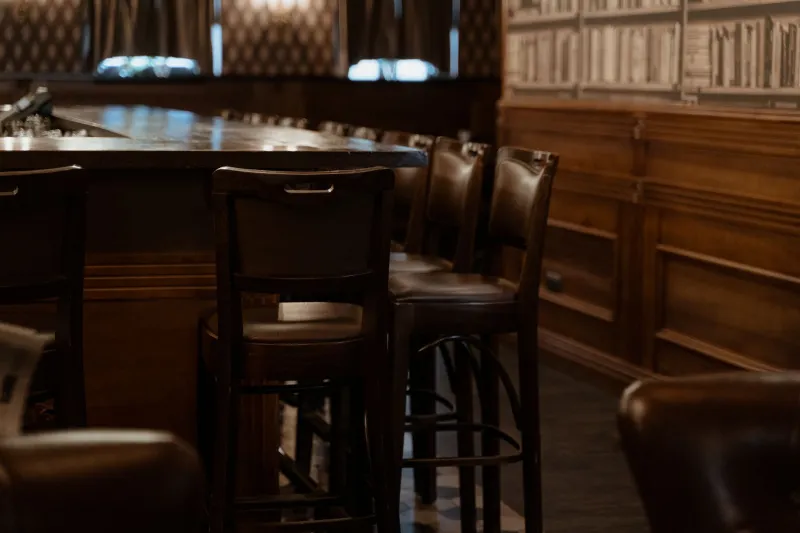
A fireside table is not just a nice photograph. It is a social machine. The fire gives people a focus, the alcoves give them privacy, and the bar gives them a reason to move around. In a restaurant, the table is the whole event. In a pub, the table is the centre of something looser and warmer.
That looseness matters at Christmas. Festive meals carry a lot of expectation. People want to relax, and relaxation is hard to order from a menu. The pub, at its best, supplies the conditions for it.
The pint with the pudding
One of the quiet pleasures of a pub Christmas dinner is that the drinks list can stay honest. A local bitter with the main course. A cider with the pork. A stout with the pudding, if you are that way inclined. You do not need a sommelier to make it work. You need a cellar that keeps its lines clean and a bar person who knows what is on.
That is the pub's advantage in a sentence. It can be special without being stiff. It can be generous without being chaotic. And in 2026, when so many festive menus feel like a spreadsheet with crackers, that is worth a great deal.
So book the fireside table. Ask what is local. Order the pie if it is there. And give the Christmas dinner back to the room that knows how to hold it.