A Head of Contention: Why the Sparkler Still Splits the Bar
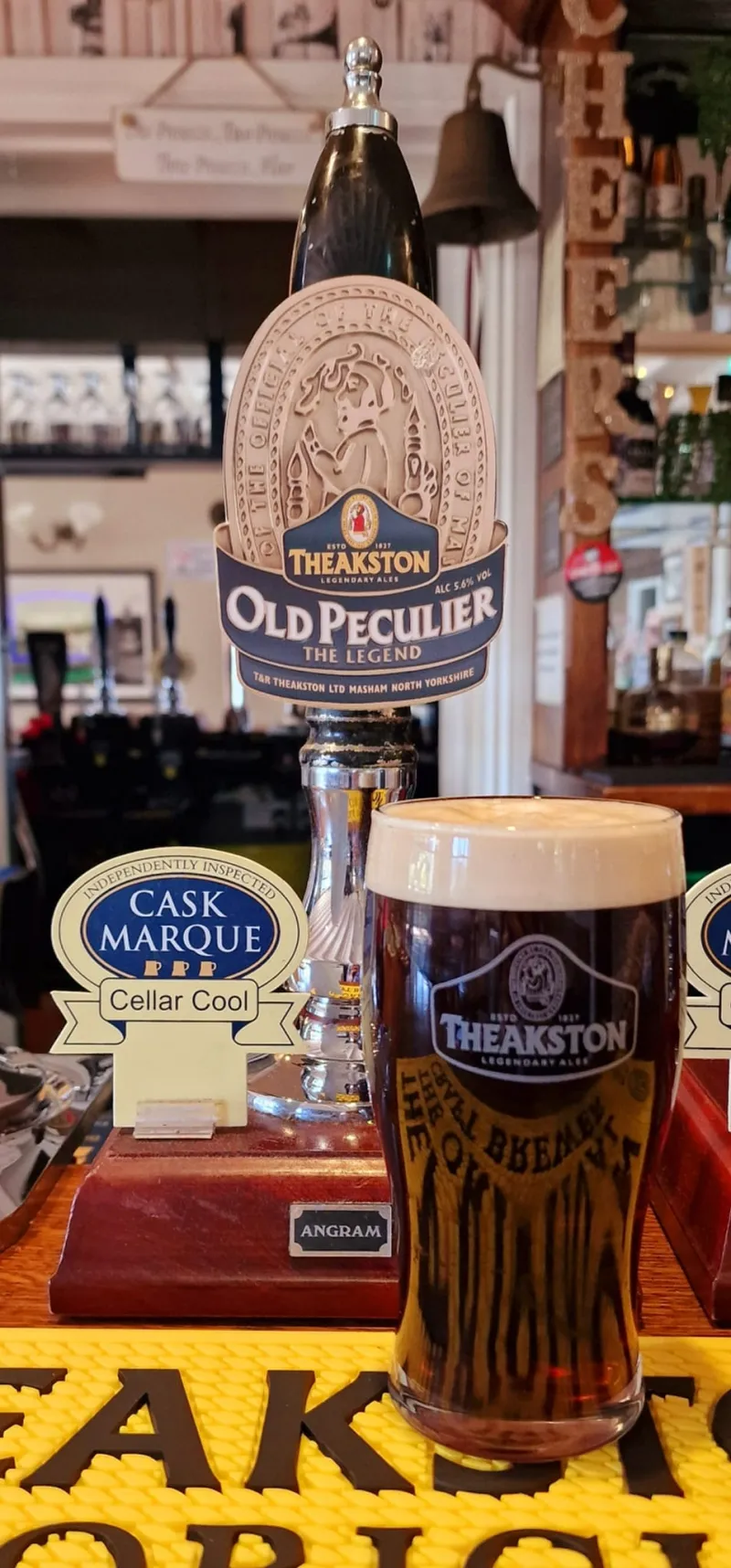
Photo: 55belgianbeerfan, CC0, via Wikimedia Commons
Ask for a pint of cask ale in a Sheffield boozer and it will often arrive with a tight, creamy collar of foam, like a pint that has been tucked in for the night. Ask for the same beer in a Kentish village pub and you may get a looser, livelier head, with more fizz on the tongue and a bit more room for the aroma to escape. Same beer. Same hand pump. Different little brass nozzle on the end of the spout. The sparkler question is one of the great, harmless arguments of British pub life — and it is still worth having.
At The White Horses, we are not here to settle it once and for all. We are here to order a pint, listen to both sides, and perhaps have a second pint while we think about it.
What the Little Brass Nozzle Actually Does
A sparkler is a small, perforated cap that screws onto the end of a beer engine. When the landlord pulls the handle, the beer is forced through those tiny holes. This knocks some carbon dioxide out of solution and whips the beer into a denser, softer foam. The result is the classic northern pint: a thick, creamy head, gentler carbonation and a texture that some drinkers describe as velvety and others describe as suspiciously like a milkshake.
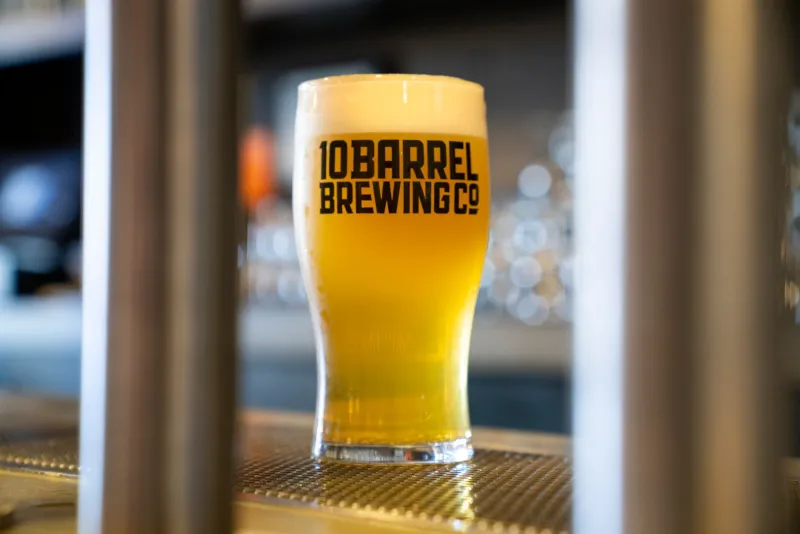
A loose pour, by contrast, lets the beer fall straight into the glass. You get more condition, more lift and, often, a more pronounced hop aroma. The head is thinner and less stable, but the beer feels livelier. For a delicate golden ale or a heavily hopped pale, that can be exactly what you want. For a stout, a mild or a best bitter in a cold Pennine pub, the tight sparkler pour can feel like a coat of many colours.
Neither method is cheating. Both are craft, when they are done properly. The trouble starts when either side treats the nozzle as a moral test.
Two Landlords, One Beer Engine
I spoke to a landlord in South Yorkshire who would not serve cask ale without a sparkler if you paid him double. 'It finishes the pint,' he said. 'It gives you the head the brewer expected, it holds the aroma in, and it stops the beer going flat before the glass reaches the table.' He looked genuinely pained by the idea of a loose pour, as if someone had suggested serving Sunday lunch without gravy.
A landlady in Kent disagreed, politely but firmly. 'I want the beer to speak,' she told me. 'A tight head can flatten a delicate hop. I serve a lot of golden ales and pale ales, and they look better and taste brighter with a natural pour.' She has a point. So does he. This is the annoying thing about the sparkler debate: both sides are usually arguing from experience, not ignorance.
The split is partly regional habit, partly beer style, partly cellar conditions and partly the simple fact that pubs are run by people with opinions. A sparkler is not a universal good or a universal evil. It is a tool. The beer, the cellar and the cleanliness of the lines matter far more than the little brass cap — but the cap is the bit everyone can see, so it gets the argument.
When a Loose Pour Makes Sense
If you are drinking a pale ale with a generous dry-hop character, a loose pour often lets the aroma do its work. The beer feels more open, more fragrant and more refreshing. In a busy London pub on a warm autumn evening, that is no bad thing. The same goes for some session bitters that are already low on carbonation and served cool rather than cold.
A sparkler can also mute a very delicate beer. It knocks condition out of the glass, and with it some of the lift that makes a light-bodied ale sing. That does not make the sparkler wrong. It makes it a choice. A good landlord will know which beers in the cellar suit a tight head and which are better served with a looser, more natural pour. The best pubs are not dogmatic about it. They are consistent about it.
Asking Without Starting a Row
The etiquette is simple: ask before the pint is pulled. 'Could I have that without the sparkler, please?' is enough. You do not need a lecture on carbonation, a history of the Campaign for Real Ale or a firm view on the correct head size. Ask, smile, and accept the answer. If the landlord says the house pour comes with a sparkler, that is the house pour. You can drink it, order something else, or come back another day and try a different beer.
What you should not do is wait until the pint is in front of you and then send it back because the head is not to your taste. That is not a faulty pint. That is a preference. Save the sending-back routine for beer that is actually tired, cloudy when it should be bright, or smells of vinegar and regret. If you are curious, ask why the pub does it that way. Most landlords will happily explain. Some will explain for twenty minutes. Order a packet of crisps and settle in.
Six Pubs Where the Pour Is Part of the Craft
These are not necessarily pubs that agree with each other on the sparkler. They are pubs where the condition of the beer is taken seriously, the cellar is looked after and the pour is treated as part of the job rather than an afterthought.
- The Grove, Huddersfield — a modern beer house with a reputation for cask that is carefully kept and confidently served. Ask for the house pour and watch how the head settles.
- The Kelham Island Tavern, Sheffield — a proper ale house in a proper beer city, where the sparkler is part of the local grammar and the staff know the cellar inside out.
- The Marble Arch, Manchester — a tiled Victorian beauty with its own beer and a firm sense of how a pint should look. The tight head is part of the furniture.
- The Free Trade Inn, Newcastle — a pub with a view over the Tyne and a serious approach to cask. The pour is northern, the welcome is warm and the beer is well looked after.
- The Harp, Covent Garden, London — tiny, busy and devoted to real ale. A good place to test the loose-pour argument in the heart of a city that has traditionally favoured it.
- The Wellington, Birmingham — a real-ale haven where the range is wide enough to compare styles, and the staff are used to drinkers with opinions about foam.
The Pint in Front of You
The sparkler question will never be settled, and that is fine. A pub is not a laboratory. It is a room full of people with different tastes, different local habits and different ideas about what makes a pint look right. The important thing is that the beer is fresh, the lines are clean, the glass is decent and the landlord cares enough to have a view.
So order the pint you want. Ask politely. Drink it before it warms up. And if someone at the bar tells you the sparkler is a northern conspiracy or a southern affectation, nod, take a sip, and change the subject to the roast. That argument is older than either of you, and it goes down better with a pint in hand.