The Vinegar Verdict: What a Jar of Pickled Eggs Says About a Pub
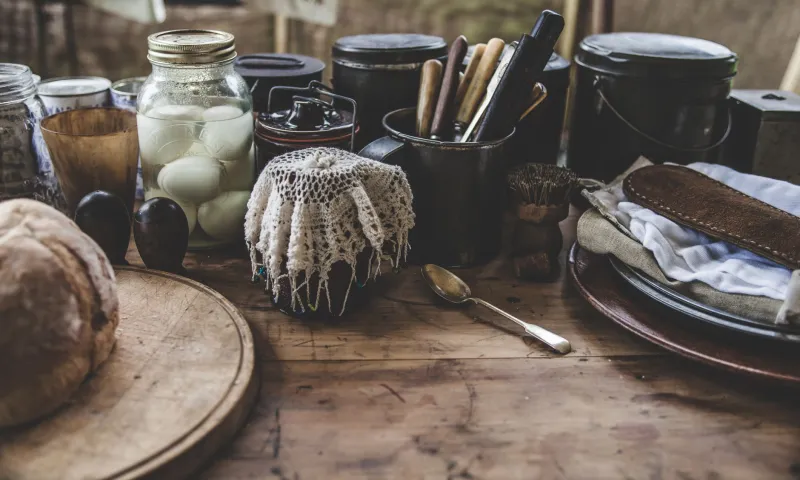
Walk into a pub and your eyes usually go to the taps, the chalkboard or the fire. Mine go to the jar. A glass jar of pickled eggs, sitting somewhere between the crisps and the hand pumps, is one of the most honest things a pub can put on display. It is not trying to be a menu item. It is not social-media bait. It is a small, vinegar-scented statement about how the place sees itself.
The jar as a quiet CV
A pickled egg is cheap to make, easy to store and deeply unglamorous. That is exactly why it works as a signal. A landlord who keeps a jar on the bar has made a choice: to offer something for the drinker who wants a sharp, salty mouthful with a pint, and to do it without a tasting menu or a pair of garnish tweezers. The jar says the kitchen understands thrift, that the bar understands appetite, and that nobody is too grand to peel an egg.
But presence alone is not enough. The jar has to be looked after. A dusty jar with a faded label and eggs floating like pale moons is not tradition; it is neglect. The good jar is clean, topped up, labelled and priced clearly. It sits at the right height. It is not hidden behind the coffee machine.
Placement: the bar-top handshake
Where the jar lives matters. On the bar top, within reach of the hand pumps, it is an invitation. On a shelf behind the bar, it is a considered offer. Tucked by the till with a handwritten label, it is a practical snack. Hidden on the bottom shelf behind a box of wine, it is an afterthought.
The best placement is almost always slightly imperfect: a jar that has earned its spot rather than been styled into one. You want to see the eggs, the vinegar, maybe a few chillies or a sprig of dill if the pub is that way inclined. You want to be able to ask for one without feeling like you have requested a bespoke cocktail.
The vinegar tells the truth
A pickled egg is a simple thing: egg, vinegar, salt, maybe sugar, spice. The quality shows in the balance. Cheap vinegar, too much salt and a rubbery white make for a punishing bite. A good one is firm but not bouncy, sharp but not aggressive, with a yolk that still tastes of egg rather than pure acid. If the pub has bothered to flavour the vinegar — bay, peppercorn, chilli, a little beetroot for colour — you can usually taste the care.
You can also read the kitchen’s confidence in the jar’s turnover. Eggs that look fresh, with clean whites and a sensible brine, suggest a pub that sells enough to keep the jar moving. Eggs that have been sitting since the summer suggest a pub that likes the idea of pickled eggs more than the reality. Neither is a crime, but only one makes you want a second pint.
Thrift is not stinginess
There is a lazy assumption that a jar of pickled eggs is a sign of a pub doing things on the cheap. In fact, it is often the opposite. Pickling is a way of making something last, but it is also a way of giving a drinker a proper bar snack for a couple of quid. It sits alongside pork scratchings, cheese rolls and a bowl of chips in the great British pub tradition of salty, affordable things that make beer taste better.
The thrift is in the planning. Someone has to boil and peel the eggs, make the brine, find the jars, keep the stock rotated and resist the urge to hide the whole lot in the fridge. That is not laziness. That is a small, recurring act of hospitality.
Where the jar still earns its place
You do not need a definitive list, because the jar turns up where you least expect it. But there are pubs where the pickled egg feels less like a novelty and more like part of the furniture. The Southampton Arms in Kentish Town has long been the sort of place where a pickled egg and a pint of mild make sense together. The Fat Cat in Sheffield, the Cumberland Arms in Newcastle and the Grove in Leeds all belong to a strand of pub culture where the bar snack is not an afterthought. The Marble Arch in Manchester, with its own brewery and tiled interior, is another reminder that a jar can sit comfortably alongside serious beer.
These are not museum pieces. They are pubs that understand a jar of eggs is a small piece of theatre: the pop of the lid, the vinegar smell, the slight ceremony of fishing one out. It is the kind of thing that makes a pub feel lived-in rather than designed.
The limits of the test
A pub without pickled eggs is not automatically a bad pub. Many excellent pubs have no room, no demand or no interest in them. The jar is not a moral test. It is a clue. If the jar is there and well kept, it tells you the pub is paying attention to the small stuff. If it is there and tired, it tells you something else. If it is absent, you look at the pork scratchings instead.
The real test is not whether a pub has a jar. It is whether the jar is honest. A pickled egg should taste like a pickled egg, not like a challenge. It should be priced like a snack, not a souvenir. It should make you want to stay for another half.
Last word
As the nights draw in and the pubs fill up, the jar on the bar is a quiet reminder of what a proper local does well. It does not need a launch. It does not need a story. It just needs to be there, clean and sharp, ready for the first drinker who fancies something sour with their bitter. That is tradition you can taste.