The Crinkle Cut Clue: Reading a Pub by Its Crisps
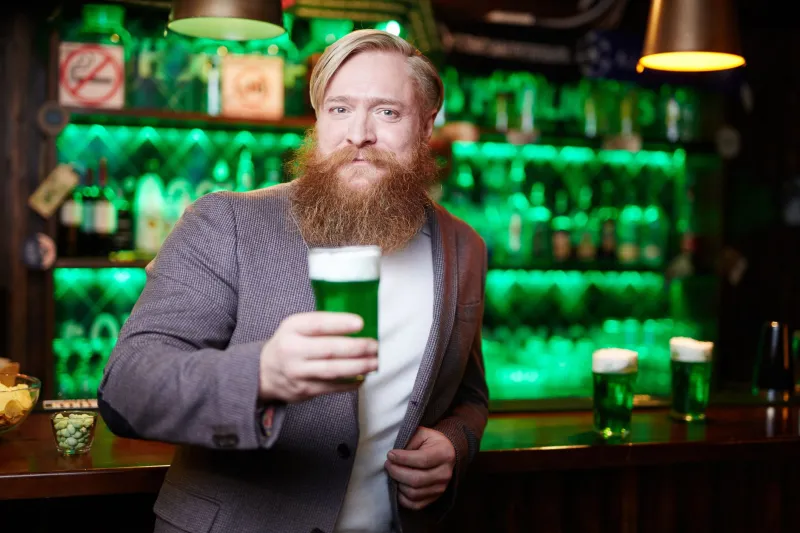
There is a moment, just after you’ve found a stool and just before you commit to a pint, when the bar top tells you almost everything. The pump clips get the attention. The chalkboard gets the photograph. But the crisp basket — that modest wire rack or wooden tray wedged between the till and the scratchings jar — is the quietest and most honest signal in the house.
It is not about crisps, really. It is about attention. A landlord who thinks carefully about a 90p bag of cheese and onion is likely to think carefully about the pie. A pub that has plainly bought whatever the cash and carry had on pallet is telling you something too, though perhaps not the thing it intended.
The First Thing You See
Most pubs have a crisp selection. Fewer have a crisp idea. You can usually spot the difference within seconds. One basket is a wall of familiar blue, green and red: the brands you could name with your eyes shut. Another has a few of those, yes, but also something crinkled, something hand-cooked, something in a paper bag that looks like it was made twenty miles away by people with strong opinions about sunflower oil.
That second basket is not an accident. It costs more, takes up more space and requires someone to make a judgement call about what will sell on a wet Tuesday in November 2026. It also suggests a kitchen that is run by people who taste things for a living, rather than simply reorder what has always been there.
This is not a plea for every pub to become a crisp boutique. A packet of ready salted with a pint is one of the great British institutions, and no good comes from interfering with it. But the range around that packet is worth noticing. It is a small window into ambition.
A Basket Is a Statement of Intent
Think of the crisp selection as the pub’s opening sentence. It does not have to be long or fancy. It just has to be deliberate.
A good basket tends to have a rhythm: something reliable, something local, something sharp, something rich. It caters for the person who wants the familiar and the person who wants to try the bag with the odd name. It may include a brand from the nearest city, or a crisp made with potatoes from a farm you could drive to in under an hour. It may include a bag that costs £1.80 and is worth it, and a bag that costs 80p and is also worth it, because the pub understands that value is not the same as cheapness.
A less considered basket is not a crime. Plenty of excellent pubs have a modest crisp range because crisp sales are not their business. But when a pub makes a point of the basket — when the packets are arranged with a bit of care, when there are five kinds rather than two, when the bar staff can tell you which one is the best with a bitter — that is a clue worth following.
A Field Guide to the Bar-Top Basket
The one-brand wall. Familiar, dependable, entirely understandable. It tells you the pub is not trying to make a statement. Fine. But if the menu is also predictable, you have your answer.
The local bag. A crisp made within a reasonable drive of the pub. This is usually a good sign, not because local automatically means better, but because someone has bothered to look beyond the catalogue. Ask which one the landlord prefers. You will get a more useful answer than you expect.
The hand-cooked selection. Bigger, crunchier, occasionally a bit aggressive on the seasoning. These bags suggest a kitchen that cares about texture. They also suggest a pub that expects you to sit down for a while.
The retro favourite. Scampi fries, bacon rashers, salt and vinegar squares. This is nostalgia, but it is also a kind of hospitality. A pub that stocks the thing you loved at fifteen is saying it wants you to feel at home.
The premium outlier. The £2 bag. The one with the graphic design budget. If it is there alongside the ordinary bags, not instead of them, that is usually a sign of confidence rather than pretension.
The empty basket. Not a disaster. But a bare crisp tray on a Friday evening suggests either exceptional demand or a lack of forward planning. You can usually tell which by the state of the pork scratchings.
Warm Crisps and Proper Bowls
Then there is the serving question. A packet handed over the bar is fine. A packet opened at the corner and tipped into a bowl is better. A bowl that has been warmed — not microwaved into submission, just given a minute or two so the oil loosens and the salt blooms — is the work of someone who has thought about the whole experience.
This is not frippery. It is the same instinct that makes a pub serve its bread warm or let a pie rest before it hits the plate. It says: we know this is a small thing, and we are treating it properly anyway. In a country pub with a fire going and a local ale on the pump, that is worth more than a laminated menu full of adjectives.
The bowl itself matters too. A proper bowl, not a folded napkin, not the packet split down the middle. Something that looks like it was chosen rather than found. It is a tiny piece of theatre, and it costs almost nothing.
What the Basket Won’t Tell You
A good crisp selection does not guarantee a good kitchen. A pub can stock beautiful bags and serve a tired pie. It is a clue, not a contract. The basket is the opening line, not the whole conversation. You still have to order the food, taste the ale and see how the room feels when it fills up.
But it is a clue you can read in five seconds, and it is often more revealing than the framed reviews by the door. A pub that thinks about crisps is usually a pub that thinks about the small things. And in the end, the small things are what separate a decent pub from one you want to go back to.
So next time you are stood at the bar, waiting for the landlord to finish pulling a pint, let your eyes drop to the basket. It is not the most important thing in the pub. It is just the first thing worth noticing.