The Quiet Pint Season: Six Local Ales for November’s In-Between Weeks
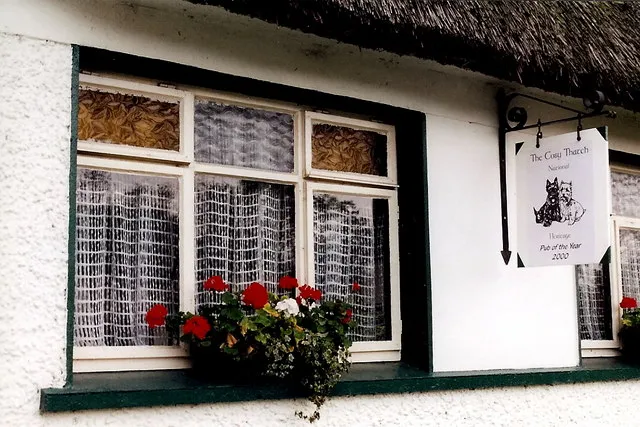
Photo: Joseph Mischyshyn, CC BY-SA 2.0, via Wikimedia Commons
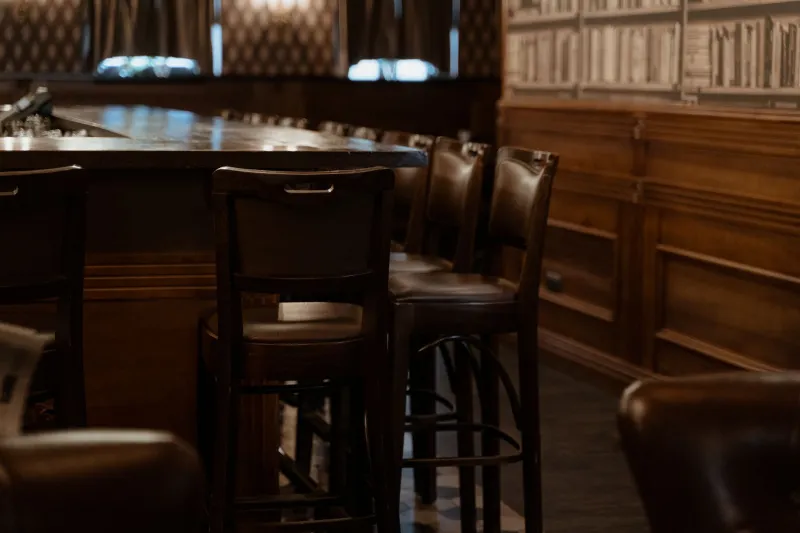
The last rocket has fizzled over the allotments, the treacle toffee has been eaten and the pub has swept up the sparkler dust. In November 2026, there is a lovely lull before the Christmas menus, office parties and enforced good cheer arrive. Brewers know it. Landlords know it. The best pint of the year often turns up in this quiet gap, when the light is low, the fire is lit and nobody is in a hurry to be anywhere else.
Call it the November ale window: that stretch between Bonfire Night and the first mince-pie lunch of December. It is not a marketing campaign. It is a rhythm of the pub year, and it rewards anyone willing to slow down and order something dark, malty or freshly hopped rather than reaching straight for the usual lager.
Why November suits a slower pint
Summer drinking is about refreshment. Christmas drinking is about ceremony, and often about volume. November is different. The evenings arrive early, the coat hooks fill up and the pub feels more like a shelter than a stage. A pale, snappy session ale can still work, but the season asks for a bit more malt, a bit more depth and a finish that lingers while you put the world to rights.
This is also when cask beer makes its strongest case. Served at cellar temperature rather than ice-cold, a good bitter or mild opens up as it sits in the glass. You get biscuit, dried fruit, a whisper of smoke, maybe a green hop lift. The pub is quieter, the glass lasts longer and the beer has time to say something.
Six beers worth seeking out
Availability will vary by region and by cellar, so treat this as a shopping list for the bar rather than a guarantee. Ask what is fresh, ask what has just come on and ask what the landlord would drink themselves. That last question is rarely a bad move.
Harvey’s Sussex Best Bitter is the benchmark for many drinkers in the South East: copper-coloured, gently fruity, with a firm earthy hop finish that never shouts. It tastes best in a Sussex pub with a tiled exterior, a low ceiling and a dog asleep under the table. This is not a beer that needs a tasting flight or a lecture. It needs a straight glass and a plate of something salty.
Bathams Best Bitter from the Black Country is another quiet classic. It has a lovely balance of malt and hop, a clean bitterness and a habit of disappearing faster than you intended. Seek it out in a proper West Midlands pub, ideally one with a canalside view and a menu that does not stretch much beyond cobs, scratchings and a decent pie.
Joseph Holt’s Mild is a reminder that dark beer is not just for winter festivals and beard-stroking. Mild is one of Britain’s great pub styles: lower in alcohol, generous in flavour, with chocolate and soft malt notes rather than heaviness. In a Manchester boozer on a damp Tuesday, it makes perfect sense. It is the pint you have when you want another one and still want to walk home.
Timothy Taylor Landlord may be pale rather than dark, but it belongs in this window because it is a masterclass in balance. Juicy, herbal and just bitter enough, it is the sort of beer that makes a Yorkshire Dales inn feel complete. Drink it in a pub with stone flags, a bench outside and a view of a hill that looks like it has been there since the Domesday Book.
Moorhouse’s Pendle Witches Brew brings a bit of Lancashire folklore to the glass. Amber, malty and gently fruity, it is rich without being syrupy. It suits a pub with a real fire, a few horse brasses and a landlord who knows when to leave you alone. In November, that is a high compliment.
Larkin’s Green Hop Ale represents the fresh-hop end of the list. Kent green-hop beers are made with hops used soon after picking, and they bring a bright, grassy, almost tea-like freshness that can feel startling in the best way. Look for them in Kentish pubs during the autumn window, when the hop harvest is still a recent memory. They are not Christmas beers. They are the last green note before the year turns brown and gold.
Where these pints taste best
You do not need a gastropub with a chalkboard of tasting notes. In fact, the opposite often works better. The right setting for a November ale is a pub that has kept a spare chair by the fire, that pours a proper head and that does not mind if you sit over one pint for an hour.
Country pubs with a small local beer list tend to do this well. So do town freehouses with a cellar the landlord actually cares about. The clue is often in the range: four well-kept casks are more promising than twelve tired ones. Ask if the mild is on. Ask if the bitter has just been tapped. If the person behind the bar has an opinion, listen.
The window closes soon
By the second week of December, the Christmas menus will be in full swing, the bookings will tighten and the pubs will fill with people who only go out once a year. That is fine. It is part of the rhythm too. But November is the pint before the party, the quiet session before the calendar fills up.
So take the long way home. Sit by the fire. Order the dark mild you would not normally choose, or the fresh-hopped special that has only a few days left on the board. The November ale window does not stay open for long, and the best pubs always know when to make the most of it.