Small Measures, Long Afternoons: The Quiet Case for the Pub Half
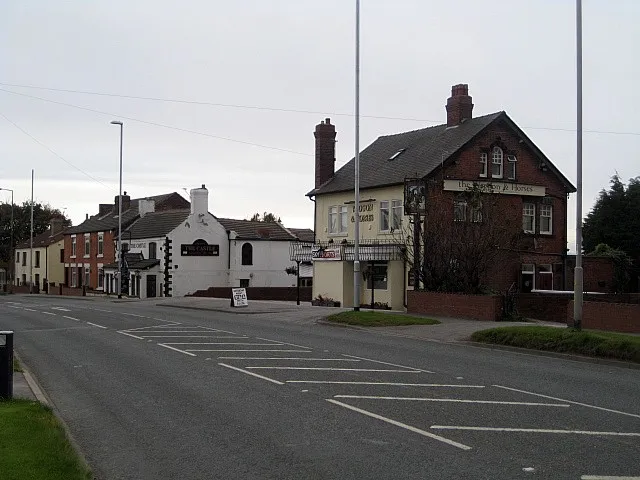
Photo: James St. John, CC BY 2.0, via Wikimedia Commons
There is a particular look that crosses a landlord's face when someone orders a half. It is not quite suspicion, not quite pity. It sits somewhere between mild surprise and the expression reserved for people who ask whether the fire is real. And yet the half is one of the most useful measures in a proper British pub. It is not a compromise. It is a strategy.
As we head into the back end of 2026, with the nights drawing in and the good local ales arriving in short, keen-conditioned bursts, the case for the half has never been stronger. A full pint is a fine thing. But it is not the only fine thing, and it is certainly not always the right thing.
The half is not a hesitation
Somewhere along the line, ordering a half became coded as indecision. The idea seems to be that a serious drinker commits to a pint, while a half is for people who are not sure they like beer, or who are driving, or who have wandered in by accident looking for a toilet. That is nonsense.
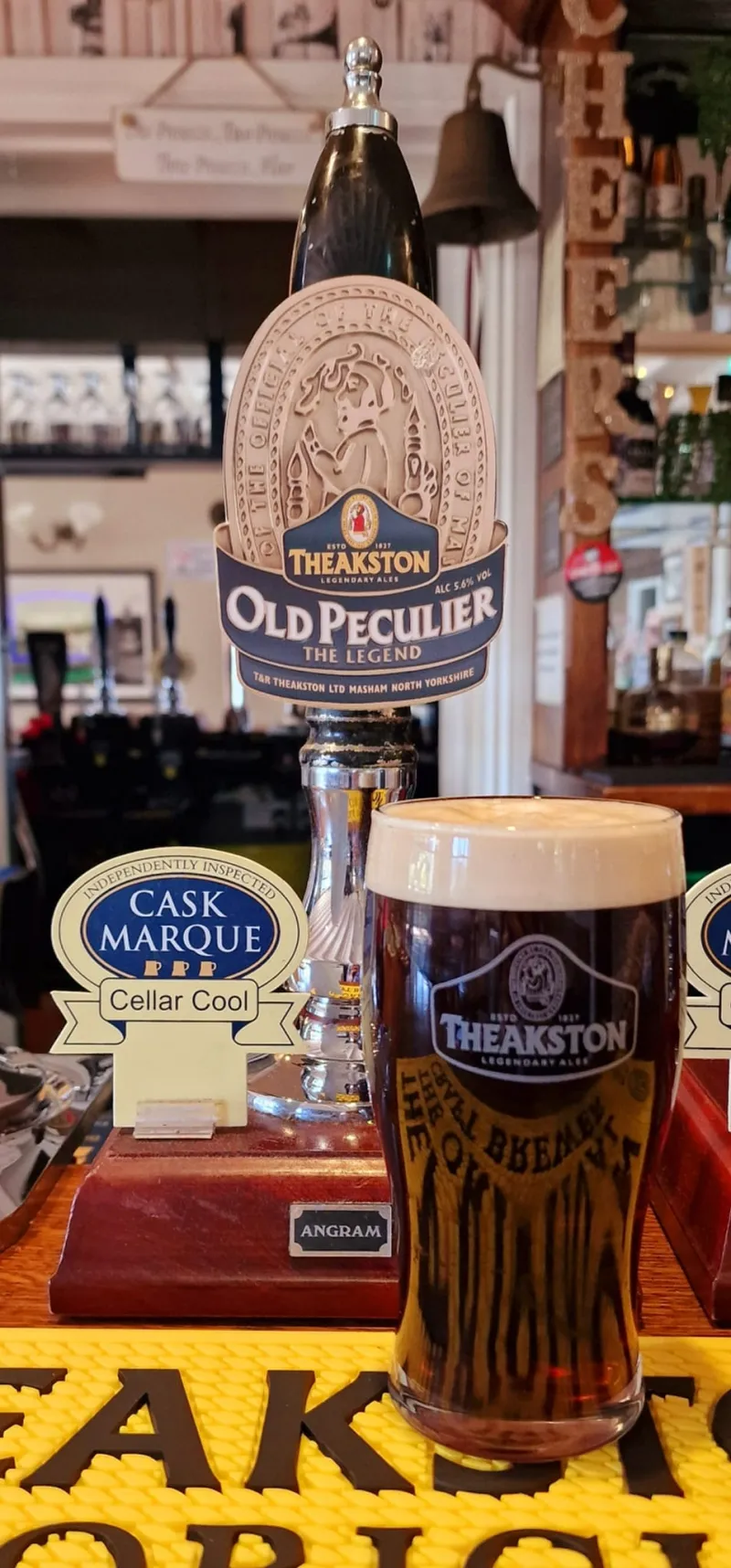
The half is a unit of attention. It lets you try a beer you have never heard of without signing up for twenty minutes of it. It lets you move from a dark mild to a pale ale without feeling like you are wasting good beer. It lets you have a proper conversation with the person behind the bar about what is drinking well, rather than simply pointing at the pump and hoping for the best.
In a pub with six handpulls and a chalkboard that changes by Thursday, that matters. The half is how you taste the range rather than merely occupy a seat.
A better way to taste local ale
Local ale is not a commodity. It is a small-batch, short-lived thing, and it behaves differently from week to week. A beer that was lovely on Tuesday can be tired by Sunday. A brewer's special may only be on until the barrel runs out. Ordering a pint of everything is one way to go about it. Ordering halves is the more sensible one.
Take a seat near the bar, ask what has just come on, and start with a half. If it is good, order another. If it is not, you have lost very little. You have also given the pub a fair hearing rather than writing off a brewery on the strength of one tired pint.
This is especially true of the darker, maltier beers that suit November. A half of porter alongside a bowl of something braised is a better pairing than a pint of the same, simply because the beer stays at the right temperature and the meal stays in balance. The half lets the ale be part of the plate rather than the whole event.
Pairing seasonal plates without the wobble
Pub food has become more ambitious in recent years, and that is broadly a good thing. But a generous plate of seasonal cooking, whether it is venison stew, mushroom barley broth or a slab of treacle tart, does not always need a full pint standing beside it like a sentry.
A half is often the more elegant match. It gives you enough beer to cut through the food without leaving you too full to enjoy the second half of the afternoon. It also makes it easier to order a second, different half with pudding, which is one of the quiet pleasures of a proper pub lunch.
There is a practical point here too. Pubs are increasingly good at serving smaller plates and lighter lunches, especially midweek. The drinks list should follow suit. A half-pint option is not a novelty. It is the natural companion to a smaller, sharper menu.
How to order one without the side-eye
Etiquette around the half is simple: order it as though it is a normal thing, because it is. Do not apologise. Do not explain that you are driving, or pacing yourself, or trying to be sensible. Just ask for a half of the ale you want, clearly and politely.
If you are at a busy bar, have your order ready. If you want a taste first, ask for a small taster rather than a half you may not drink. If you are ordering food, mention the half alongside the meal so the person behind the bar can time it properly. And if you are in a group, do not make a performance of it. The half is not a statement. It is a drink.
The one thing to avoid is the vague request. 'Just a small one' is not helpful. 'Half of the bitter, please' is. Pubs thrive on clarity, and the half is no different.
What pubs could do better
If pubs want to take the half seriously, they could start by pricing it fairly. A half should not cost sixty per cent of a pint. It should cost roughly half, with room for a little common sense. Punitive half-pint pricing tells customers that the pub would rather they committed to a full pint, and that is a short-sighted way to run a bar.
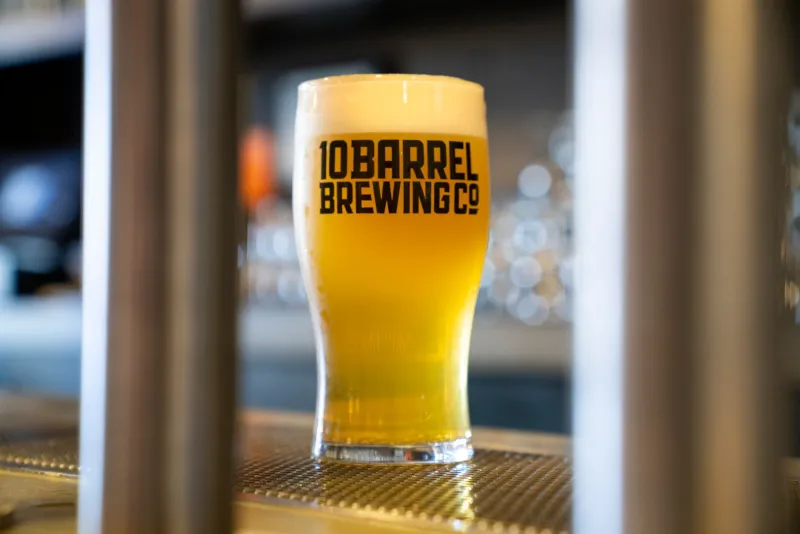
Presentation matters too. A half served in a pint glass looks mean. A proper half glass looks like a deliberate choice. Listing halves on the chalkboard, or at least making it clear that any draught beer can be served in a half, removes the awkwardness before it starts. Some pubs already do this well. Others make you feel as though you are asking for a favour.
A good pub should be able to serve a half without sighing. It should also recognise that the half-pint drinker is not a lesser customer. They may be the one who stays for food, buys a second half, and returns next week with friends.
The long afternoon test
The real argument for the half is time. A pub afternoon is not a sprint. It is a slow, meandering thing, with conversation, perhaps a walk, and the possibility of one more stop before the light goes. A pint is a commitment to a certain pace. A half is a way of keeping your options open.
That is not an argument against pints. It is an argument for range. The best pubs have always understood that drinking is not just about volume. It is about rhythm, company, and the pleasure of trying something new without regret.
So next time you see a white horse on a swing sign and a row of handpulls you do not recognise, order a half. Sit near the fire. Ask what is good. Take your time. The pub will not think less of you. And you may well enjoy it more.