Crimp, Colour and Gravy: The Pastry Tell That Reads a Pub Kitchen
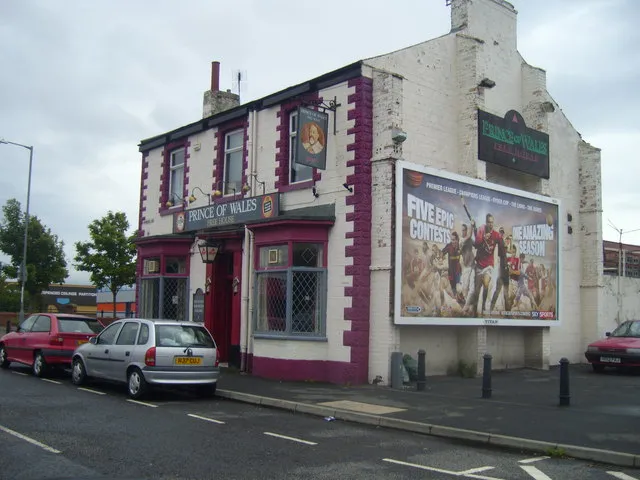
Photo: Ian Barton, CC BY-SA 2.0, via Wikimedia Commons
There is a moment, just after the plate lands, when a pub pie has already said most of what it is going to say. You have not cut into it yet. You have not met the gravy. But the pastry is right there, doing its quiet bit of advertising: the colour, the crimp, the way the lid sits against the dish. In winter 2026, when every pub with a spare corner seems to be offering pie and a pint, that first look is worth taking seriously.
None of this is about demanding Michelin-style precision from a village local. It is about intent. A kitchen that makes its own pastry is telling you it has decided to spend time on something you will notice. A kitchen that has bought in a pale, uniform lid and warmed it through is telling you something else. Neither is a crime. But the pie is one of the most honest things on a pub menu, and the pastry is where the honesty starts.
The crimp is a signature, not a decoration
Look at the edge of the lid. A hand-crimped crust tends to have a bit of rhythm to it — a fold here, a slightly thicker pinch there, the small irregularities of somebody working with their hands. A machine-pressed rim can look almost too neat, like a pastry template has been involved. That is not automatically a bad sign; some very good kitchens use bought-in pastry bases for service reasons. But if the crimp is neat, the glaze is flawless and the pie still tastes of nothing much, you have your answer.
The more useful tell is the seal. A proper lid is sealed to the dish, not merely laid on top like a pastry hat. If the edge has lifted away and the filling has escaped down the side, the kitchen has either rushed the assembly or used a dish that was too hot when the lid went on. Either way, the pastry is no longer doing its job.
Colour tells you about the oven, and the oven tells you about the kitchen
A pub pie should arrive with a crust that has seen heat properly: deep gold, maybe a few darker patches at the high points, a gloss from egg wash or milk. Pale blond pastry usually means one of two things — a timid oven or a par-baked product that has been warmed rather than cooked. Both tend to produce a lid that looks fine in a photograph and tastes like damp cardboard in the mouth.
You are not looking for burnt. You are looking for contrast. A good crust has variation: crisp ridges, slightly softer folds, a bottom edge that has caught against the dish. If the top is mahogany and the sides are raw-looking, the pie has been blasted rather than baked. If the whole thing is an even beige, be suspicious. Pastry is not supposed to look like it has been photocopied.
Gravy is the kitchen’s handwriting
A pie can be judged by how it handles its gravy. Inside, the gravy should be thick enough to hold the filling together without turning into wallpaper paste. It should taste of the meat, the ale or the stock that went into it — not simply of salt and colour. When a pub serves gravy in a jug on the side, that is often a good sign: it suggests the kitchen knows the pie needs a little loosening at the table rather than swimming from the start.
But the jug has to earn its place. Hot gravy, please. Gravy that has been sitting in a jug under a lamp and arrives with a skin on top is a small heartbreak. Gravy that tastes of granules is a larger one. And if the menu names an ale in the filling — say, a local bitter or a stout — it is fair to expect that ale to be doing something in the gravy. You do not need to interrogate the landlord. You just need to taste whether the word on the menu has any weight behind it.
The filling has to be honest
A great pie does not hide behind its pastry. Cut through the lid and you should see pieces, not paste: chunks of beef with some bite, chicken that tastes of chicken, vegetables that have not dissolved into a brown blur. The sauce should cling rather than flood. If the filling spills out in a single glossy wave, the pastry was probably never going to hold it anyway.
There is also the question of naming. “Steak and ale” is fine. “Steak and ale pie” with no ale named is fine too, if the gravy tastes robust and savoury. But a pub that names its supplier or its brew on the chalkboard is usually a pub that wants you to notice. That is not showing off. It is just a kitchen being clear about what it has made.
The quiet tells on the plate
A few practical things to look for this winter:
- The pie dish should be hot but not volcanic. If the pastry is crisp and the filling is lukewarm, something has gone wrong between oven and pass.
- The bottom of the pie should not be a soggy secret. A good lid can hide a multitude of sins, but the base is where a rushed pie gives itself away.
- Chips should taste of potato, not just of fryer. Mushy peas should be peas, not a green puddle. The pie is the headline, but the supporting cast matters.
- A short menu with one or two pies done properly beats a long list of pies that all taste like they came from the same freezer tray.
The pie as a small act of defiance
Pies make sense for pubs in 2026. They are economical, they suit a dark afternoon and a pint of bitter, and they can turn a modest kitchen into somewhere people plan to return to. But that is exactly why the pastry matters. When costs are tight, a made-in-house pie is a small act of defiance against the freezer. It says the kitchen has decided that this one thing is worth doing properly.
So next time the plate lands, take a second before you pick up your knife. Look at the crimp. Look at the colour. See how the gravy behaves and whether the filling has any pride in it. The first bite is not really the beginning. The pastry got there first.